

Understanding the psychology behind gambling behavior why we risk it all
The Thrill of Uncertainty
One of the primary reasons individuals engage in gambling is the thrill that comes from uncertainty. The unpredictable nature of games, whether it be poker, slots, or sports betting, creates an adrenaline rush that many find exhilarating. This rush is driven by the anticipation of potential rewards, making every bet feel like a gamble not just with money, but with emotion and hope. To learn more about online gaming options, visit https://top-online-pokies-australia.com/, which provides insights into various platforms.
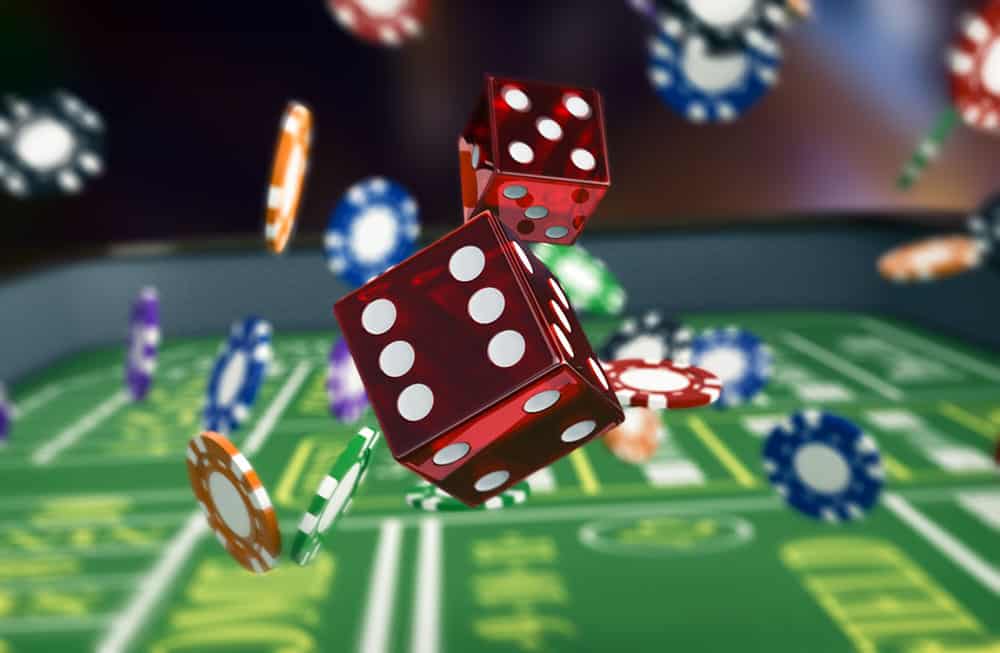
This psychological aspect ties into the concept of risk-taking behavior. When people gamble, they often experience a heightened sense of excitement and a temporary escape from reality. This can lead to a powerful emotional investment, making the experience more captivating and sometimes addictive. The challenge of risking it all for a potential win can lead individuals to engage in gambling despite the odds being stacked against them.
Social Influences on Gambling Behavior
Gambling is frequently portrayed in media and popular culture as a glamorous activity, influencing public perception and behavior. Social environments, such as casinos and betting shops, are designed to be enticing and filled with excitement. This social context encourages individuals to participate and take risks they might not consider in other settings.
Moreover, peer pressure can also play a significant role in gambling behavior. When friends or social circles engage in gambling, individuals may feel compelled to join in to fit in or prove their adventurous spirit. This social dynamic can lead to increased risk-taking, as the desire to belong can overshadow rational decision-making.
The Role of Cognitive Biases
Cognitive biases significantly influence gambling behavior, often leading individuals to make irrational decisions. For instance, the gambler’s fallacy, which is the belief that past events can influence future outcomes, can result in skewed perceptions of odds. This bias can lead individuals to continue gambling, believing they are ‘due’ for a win, despite the reality of independent game mechanics.
Additionally, individuals may overestimate their skill level, especially in games perceived as involving strategy, such as poker. This overconfidence can cause gamblers to take more risks, as they believe they can outsmart the system. The interplay of cognitive biases and emotional factors can create a compelling yet dangerous cycle of risk-taking behavior.
Emotional Factors and Gambling Addiction
Emotions play a crucial role in gambling behavior. People often gamble to escape negative emotions such as stress, anxiety, or depression. This coping mechanism can lead to a slippery slope where gambling becomes the primary method for dealing with emotional pain, ultimately resulting in addiction.
Furthermore, the experience of winning can produce feelings of euphoria, reinforcing the behavior and leading individuals to chase that high. Unfortunately, this emotional rollercoaster can make it difficult to recognize when gambling is becoming problematic. Understanding these emotional triggers is essential for both gamblers and their loved ones in identifying unhealthy patterns of behavior.

Your Guide to Responsible Gambling
Understanding the psychology behind gambling behavior is essential for promoting responsible gambling practices. By recognizing the emotional and cognitive factors at play, individuals can make more informed decisions regarding their gambling activities. Education about the risks involved, as well as developing strategies for self-control, can help mitigate harmful gambling behaviors.
For those looking to enjoy gambling in a responsible way, resources are available that provide insights and tools. Whether you’re a novice or an experienced player, being aware of the psychological influences behind your behavior can enhance your gaming experience while protecting your well-being.